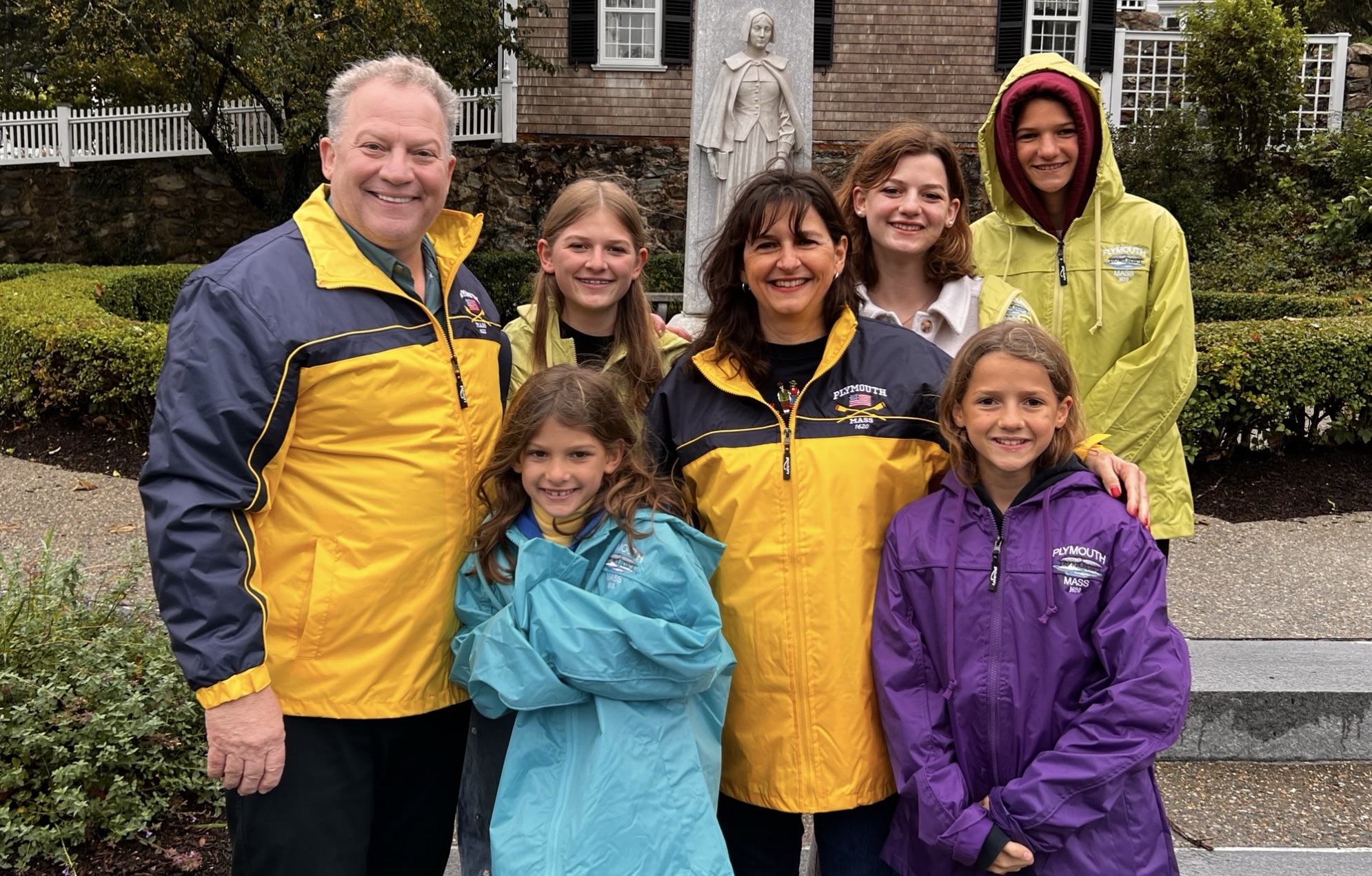
Thanksgiving Always…
“Harvest celebrations are among the most hopeful gatherings for which we plan. Such are enjoyed the world round and for all time. Although of enormous historical significance, the original such event was much earlier than President Lincoln‘s 1863 wartime declaration, and even before those pilgrims and natives gathered in thanksgiving at 1621 Plymouth. Throughout the ages we have planted in faith, tilling the ground, sowing the seeds, painstakingly irrigating, fertilizing, and protecting our hopeful harvest from competing weeds and predatory pests. We do not live in Eden, the trees and plants do not spontaneously provide to all of our needs. Harvest joy and gratitude comes from the labor of our hands, and the blessing of the Lord, who provides for our need expecting only our faithful effort and humble recognition, thanksgiving always.”
Daniel Joseph Malcolm, 25 November 2026
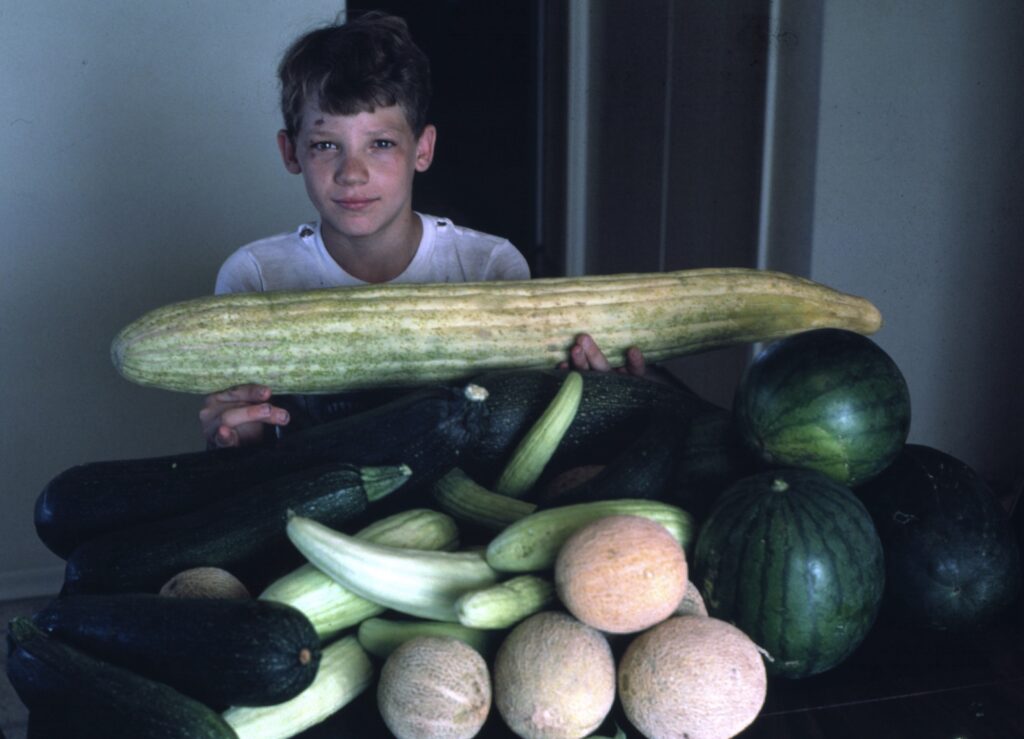
From my youngest days, as long as I can recall, my hands have toiled in the soil, preparing ground and planting seeds with hopes of a harvest to fill the belly and delight the heart. Hope is a good word to use. It is a virtue with which gardeners and farmers are endowed from on high, their hope being a blessing to us all, for which cause such gifts are given. Yes, planters that work to harvest, are people of faith, a thing that must be had, and proven by action, even as taught by the apostle Paul. “Now faith is the substance of things hoped for, the evidence of things not seen” (Hebrews 11:1). The very same principles can be applied to better know our Heavenly Father, with a heart full of hope, and fidelity expressed, in seeking to know Him, by acting in faith.
The apostle James taught, “Be ye doers of the word, and not hearers only, deceiving your own selves…. For as the body without the spirit is dead, so faith without works is dead also” (James 1:22, 2:26). In like fashion, it can be said, “Be ye tillers of the soil, planters of the seed, waterers of the plant, and tenders to the tree, not observers only, fooling yourselves. For as the plant without the fertilizer, watering, and care is dead, so hope without effort is fruitless.”
My generation was taught to work hard and be grateful by parents and teachers of like minds, and experiences that supported the same. I learned in my childhood classroom, a song of celebration, of gratitude for a plentiful harvest. I have since sung this Hebrew folk song for all my life:
Havah nagilah, Havah nagilah venismechah
Havah naranenah, Havah naranenah venismechah
Uru, uru achim! Uru achim b’lev sameach!
Over the valley voices are singing
Bells are ringing, Dance everyone dance!
Come to the valley, Run through the clover
Harvest is over, Dance everyone dance!
Dance where the corn was high, Under a golden sky
Dance where the wine was born, Dance everyone dance!
There is good cause to celebrate, to dance, when the work is done and the harvest is in. When the work is done is an operative and essential part of harvest benefits. In Eden our first parents received from the trees and vines a plentiful harvest spontaneously given, only in need of picking and eating. All of that changed, and always since humankind has by the sweat of brow been required to toil. So if we have to work for it, where is harvest gratitude needed?
Even with all the toil of tillers of soil, much is left still out of the control of human hands. With every effort made by man, we can still not bring the rain in its season, nor escape from flood waters. If the climate too arid — tender plantings shrivel, if too humid — fungus, disease and pest pressures bring the rot. Cool weather during the bloom keeps pollinating bees in their hives, or hail and wind can send pollinated blossoms to the ground. Storms out of season, just before the harvest, can destroy the most ripe of fruit or ready grain. The outstretched hand of our Heavenly Father, creator and caretaker for all seasons, is an integral part of any success in the growing of food, for to abundance He blesses with rain and sunshine, and all the elements needed to feed His effort-making children.
The Old Testament prophet Hosea taught that “it is time to seek the Lord” (Hosea 10:12). “Sow to yourselves in righteousness, reap in mercy; break up your fallow ground: for it is time to seek the Lord, till He come and rain righteousness upon you.” Hosea made this comparison not as a lesson in gardening, but to help his people, a people who knew how to grow food for their well-being, and rely on the Lord for blessings to complete the task. We need to seek the Lord in all that we do that we might gain from His wisdom for our efforts, and receive blessings of things outside of our control for a rich and joyful harvest of whatever kind for which we strive.
For our faithfulness, we are blessed, not solely for our efforts, but by God’s grace. For that we should be ever grateful, ever singing a chorus of Thanksgiving. An all-time favorite for me, composed by Henry Alford (1810–1871) and George J. Elvey, (1816–1893), is “Come, Ye Thankful People,” which always rings in my heart, especially this season. I always want to be grateful, for God’s blessing so fill the Earth.
Come, ye thankful people, come;
Raise the song of harvest home.
All is safely gathered in
Ere the winter storms begin.
God, our Maker, doth provide
For our wants to be supplied.
Come to God’s own temple, come;
Raise the song of harvest home.
All the world is God’s own field,
Fruit unto his praise to yield,
Wheat and tares together sown,
Unto joy or sorrow grown.
First the blade, and then the ear,
Then the full corn shall appear.
Lord of harvest, grant that we
Wholesome grain and pure may be.
It is my prayer that we will seek the Lord always to learn His ways, and live as His children. Then, in the analysis of looking back, seeing all that we have reaped, have hearts full of gratitude, Thanksgiving always to our Lord for His abundance, a never ending harvest to enjoy and for which to be grateful. Let us ever celebrate the harvest of our Lord. In the name of Jesus Christ, amen.

Daniel Malcolm is an entrepreneur, journalist, photographer, husband to Monica and father of twelve. He is a member of The Church of Jesus Christ of Latter-day Saints and is a witness of the gospel of Jesus Christ and His Atonement.